How to recognize a real Italian Extra Virgin Olive Oil (without being fooled)
How many times have you stood in front of a shelf full of bottles of Extra Virgin Olive Oil and wondered:
“Which one is truly good?”
Extra virgin olive oil (EVO) is one of the most loved products in the world, but unfortunately it is also one of the most counterfeited and mishandled by the market. Misleading labels, unclear blends, and suspicious prices (either too low for a quality product or too high, almost to justify a quality that isn’t really there).
All this confuses Consumers and debases a unique heritage of our Mediterranean culture.
Today we explain, in a simple but technical way, how to recognize a true Italian Extra Virgin Olive Oil and avoid confusion.
1. The legal definition of “Extra Virgin”
By law, an oil can only be called “Extra Virgin” if:
- Has a free acidity expressed as oleic acid not exceeding 0.8 g per 100 g,
- meets certain chemical parameters (peroxides, polyphenols, UV spectrophotometry),
- passes a sensory panel test, which is an official tasting done by experts who verify the absence of defects and the presence of fruitiness.
2. Read the label well
The consumer’s first defense is the label. Here’s what to check:
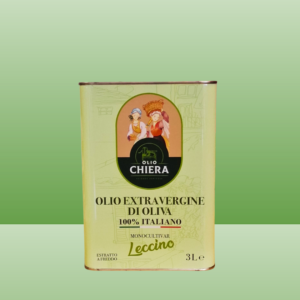
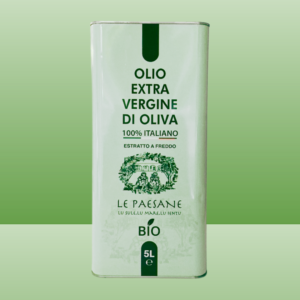
- Origin: be wary of “EU Oil” or worse “Blend of EU and non-EU oils.” If it is Italian, it should clearly say, “100% Italian Extra Virgin Olive Oil.”
- Crusher or bottler: best if a specific producer is indicated, not just a distributor because the Direct Producer “puts his face” on it.
- Harvest date: more useful than just expiration date. A young Oil (from the last oil year) is always better.
3. Color and transparency: myth to dispel
Many people believe that color says everything about quality: deep green = good, light yellow = bad.
Actually, it doesn’t: it depends on the cultivar and the terroir.
Professionals taste oil in colored glasses precisely so as not to be influenced.
4. Scent and taste: the home test
Want to recognize a real Extra Virgin? Here are two simple tests you can do:
- Nose: should be reminiscent of fresh olive, cut grass, tomato, almond or artichoke. Never musty or rancid smells.
- In the mouth: it should be balanced between three positive sensations:
- fruity (the taste of the olive),
- Bitter (related to polyphenols, thus health benefits),
- spicy (that sensation in the throat that makes you cough, a sign of freshness and antioxidants).
A flat, tasteless oil is a sign of mediocre quality.
5. Price as a clue
A true Italian extra virgin cannot be cheap; production costs (hand-harvesting, pressing, certifications) affect the final price.
Too low prices = likely mixture of Foreign or Refined Oils.
6. Cultivars make a difference
Each variety (cultivar) of olive has unique characteristics:
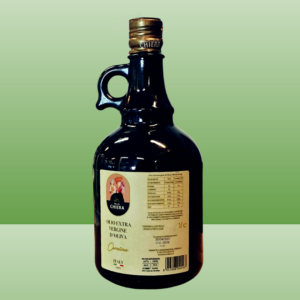
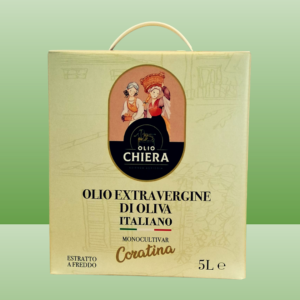
- Coratina (Apulia): intense, bitter, rich in polyphenols
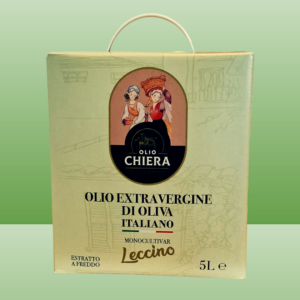
- Leccino (widespread throughout Italy): delicate, balanced
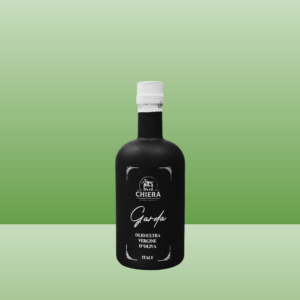
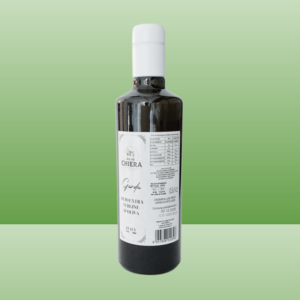
- Garda (Lombardy/Veneto): light, fine, elegant
7. Why choose a direct producer
Buying from an Olive Mill or Producer with their own olive groves means:
- Transparency about origin,
- greater freshness (from field to bottle without intermediaries),
- fairer price than supermarkets.
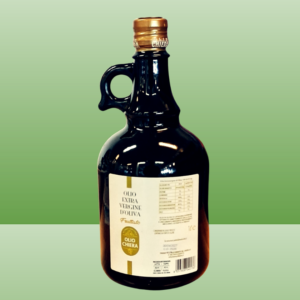
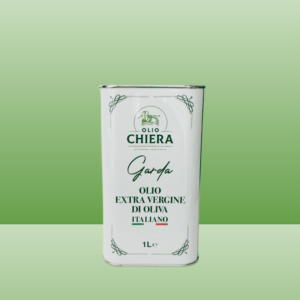
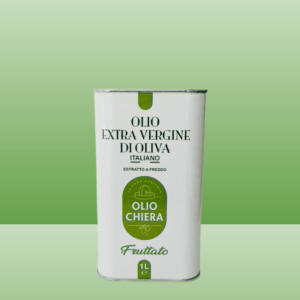
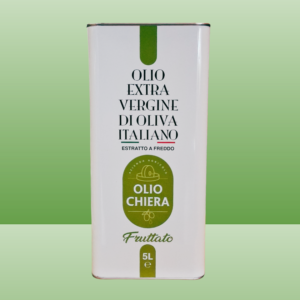
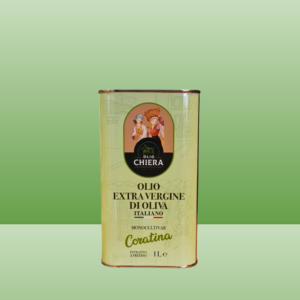
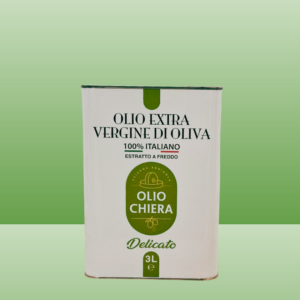
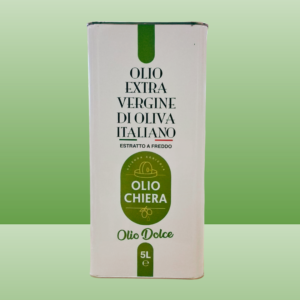
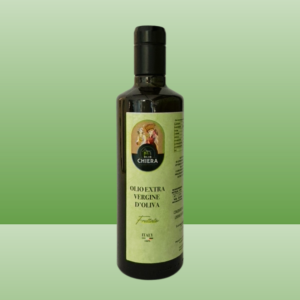
This is precisely the philosophy of Agricola Chiera: we directly cultivate more than 500 hectares of olive groves between Calabria, Puglia and Lake Garda.
For more than 100 years we have been producing Oil and today we finally offer it here in Switzerland.
Conclusion
Recognizing a true Extra Virgin Oil is not difficult: you just need to know what to look for and rely on serious Producers.
Next time you buy a bottle, pay attention to these details-your palate (and your health) will thank you.
👉 Discover all our products on the Online Shop or visit us at the Lugano store where you can find Luca for a guided tasting tour.